Topic
Research in brief
A new or newly relevant study, explained in five minutes: what it found, how much weight it bears, and what it means at work.
All articles Rewards and pay Performance Hiring and workforce AI at work Wellbeing and work Labour law
-

The brains penalty: gender, intelligence and help at work
Gender bias at work: a study finds intelligent women, unlike men, get less help and more mistreatment from teammates. Why, and what managers can…
-
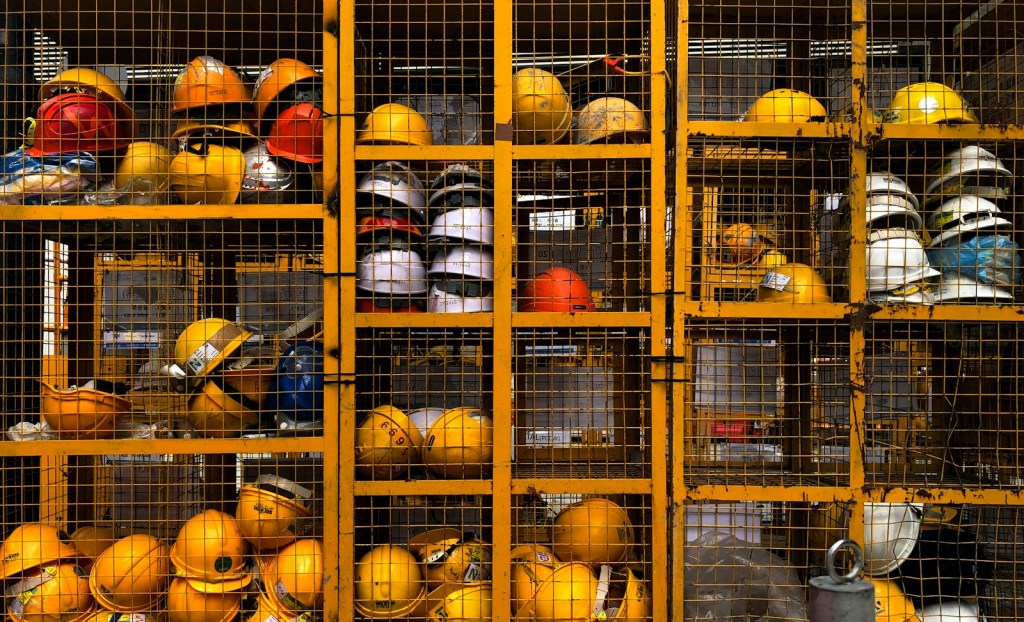
Out of court, out of mind: corporate governance and workplace safety
Workplace injuries rose about 28% when US states made it harder to sue company directors. What corporate governance means for workplace safety.
-

No free lunch: workload, job resources and burnout
A study of 100,000 German workers finds job resources do not offset heavy workload. What additive effects mean for burnout prevention.
-

Musical chairs: why hybrid teams need a predictable rhythm
New research on hybrid sales teams finds that fewer office days hurt engagement only when schedules are unpredictable. Lessons for office policy.
-

Eyes on the iceberg: threat bias in management decisions
A field experiment with 400+ managers finds economic threat narrows attention to risk, and that a brief, balanced framing widens it to opportunities.
-

Left in the dark: the hidden cost of layoffs for those who stay
Research on employees who keep their jobs after layoffs shows that involvement, information and support sharply cut their risk of mental distress.
-

The helpfulness tax: gender and recognition at work
Women can match men as the colleague everyone turns to for advice, a study from China finds, but only by doing more for others.…
-

Road rage at the desk: how a stressful commute spills into rudeness at work
A stressful commute leaves people irritable, and colleagues bear the brunt, new research finds. Relaxing music helped. What it means for office days.
-

The peer bubble: why new hires who stick together are more likely to leave
New hires who spend their first days talking mostly to each other are more likely to quit early, a study of 8,000 newcomers finds.…
-

The missing rung: how AI is quietly thinning out entry-level hiring
AI-exposed firms have not been firing young workers; they have hired fewer of them. The bill for that may arrive with the next succession…

